
Recover Stronger. Rebuild Confidence. Return to Sport.
An anterior cruciate ligament (ACL) injury can be a significant setback, whether you’re a competitive athlete, a recreational sportsperson or simply someone who wants to return to an active lifestyle.
At Edinburgh Sports + Spinal Physiotherapy, we provide specialist ACL rehabilitation in Edinburgh, helping patients recover following ACL injuries, ACL reconstruction surgery and non-surgical management.
Led by Peter Dery, Specialist ACL, Knee & Sports Physiotherapist, our approach combines progressive strength and conditioning, individualised rehabilitation and objective performance testing to help you rebuild strength, restore knee function and return to the activities that matter most.
Whether you’ve recently injured your knee, are preparing for surgery or are struggling to regain confidence months after an ACL injury, we can help you understand your recovery and plan your next steps.
Your rehabilitation should be guided by more than simply how many weeks have passed since your injury or surgery.
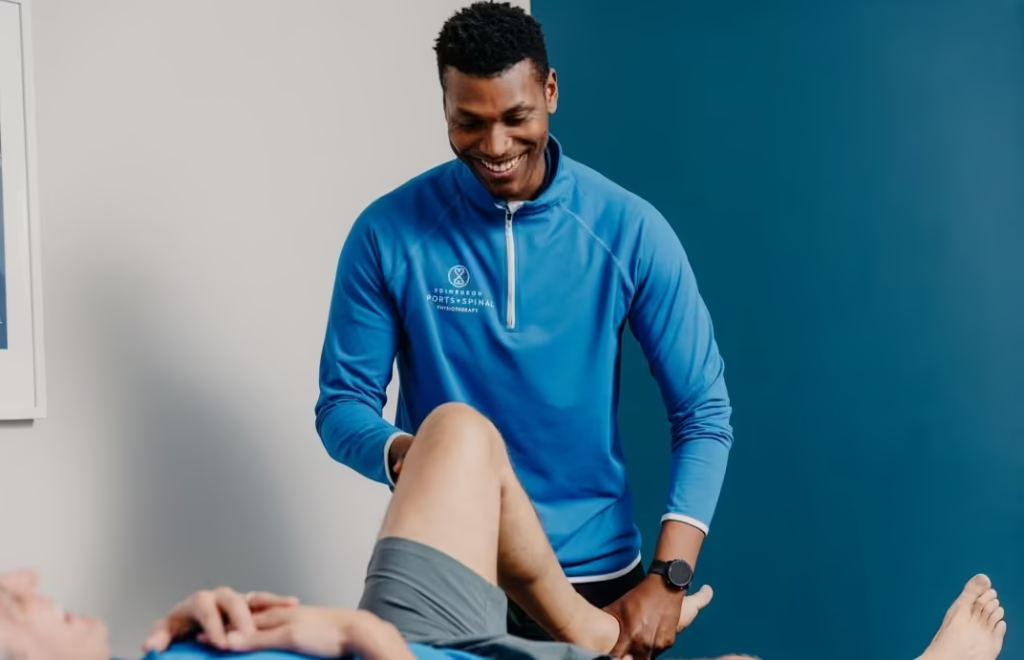
Successful ACL rehabilitation requires a structured and progressive approach that considers your injury, individual circumstances, strength, movement quality, sporting requirements and confidence.
Our specialist physiotherapy service supports:
Our aim is not simply to help your knee feel better. It’s to help you develop the physical capacity, movement skills and confidence required for your individual goals.
At ESS, we believe that effective ACL rehabilitation should be individualised, evidence-informed and measurable.
We begin by understanding your injury, current stage of recovery, surgical history where applicable, symptoms and personal goals.
Your assessment may include:
We then develop a personalised rehabilitation programme based on your assessment findings.
Restoring lower-limb strength is a fundamental part of ACL rehabilitation.
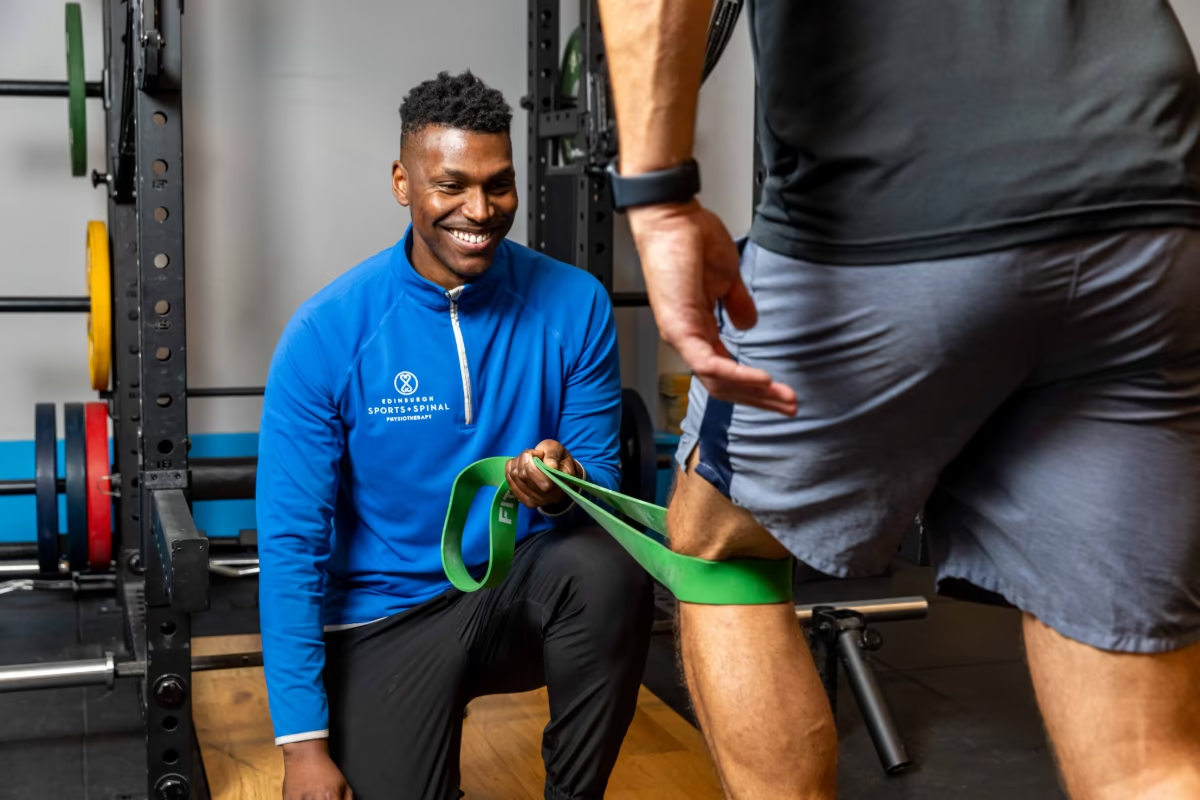
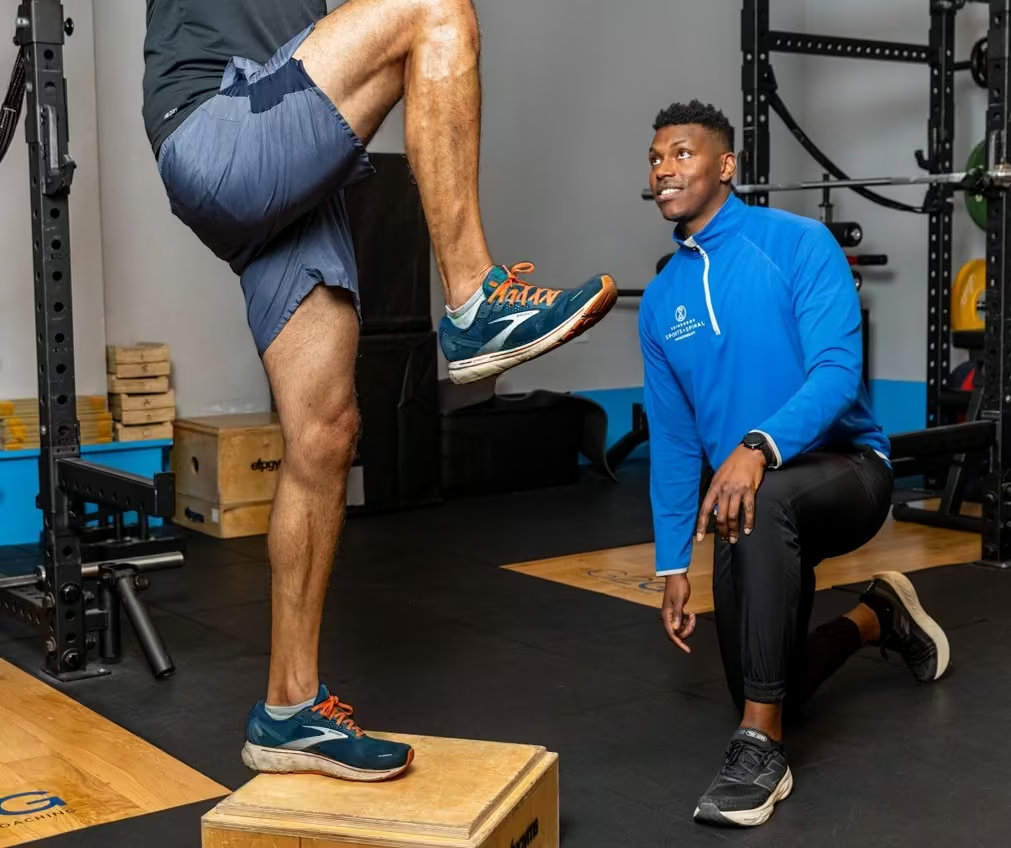
Your programme may include targeted quadriceps and hamstring strengthening, progressive resistance training, single-leg exercises, balance, jumping and landing tasks, and sport-specific conditioning.
Exercises are adapted to your current ability and progressed as your knee demonstrates the appropriate capacity.
We don’t believe rehabilitation should rely on guesswork.
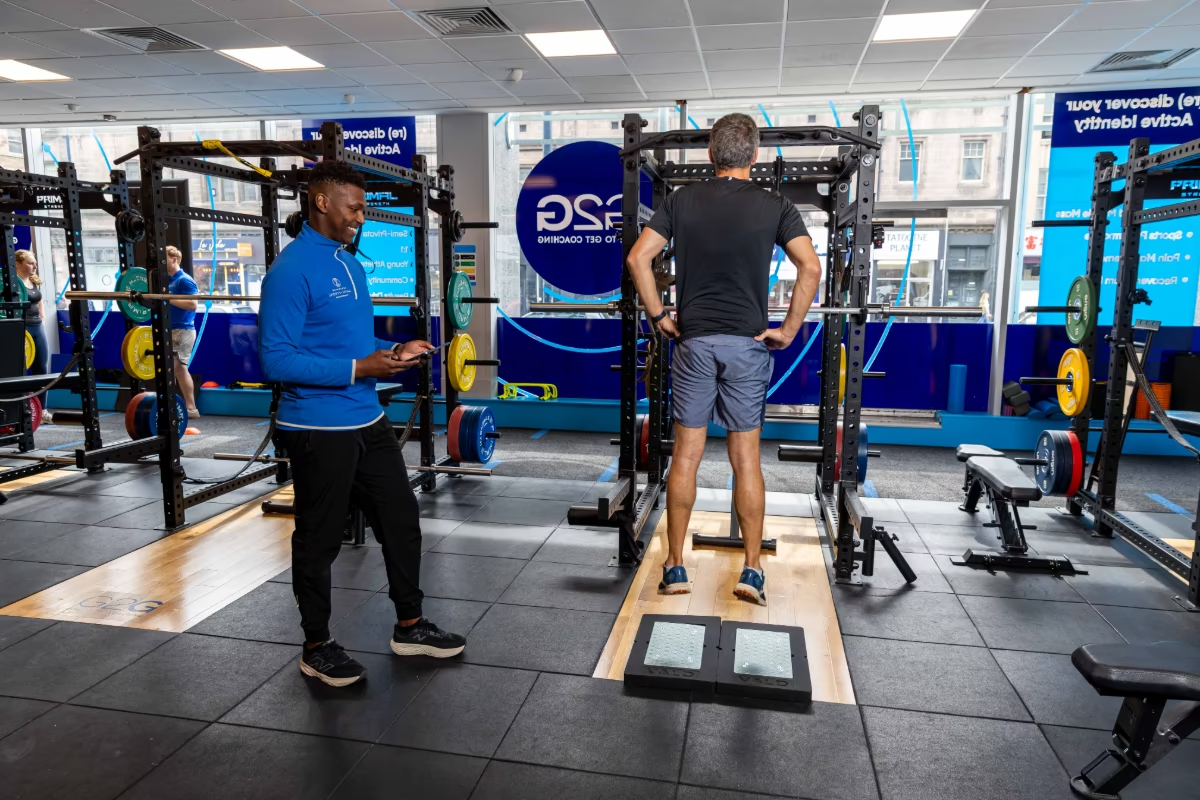
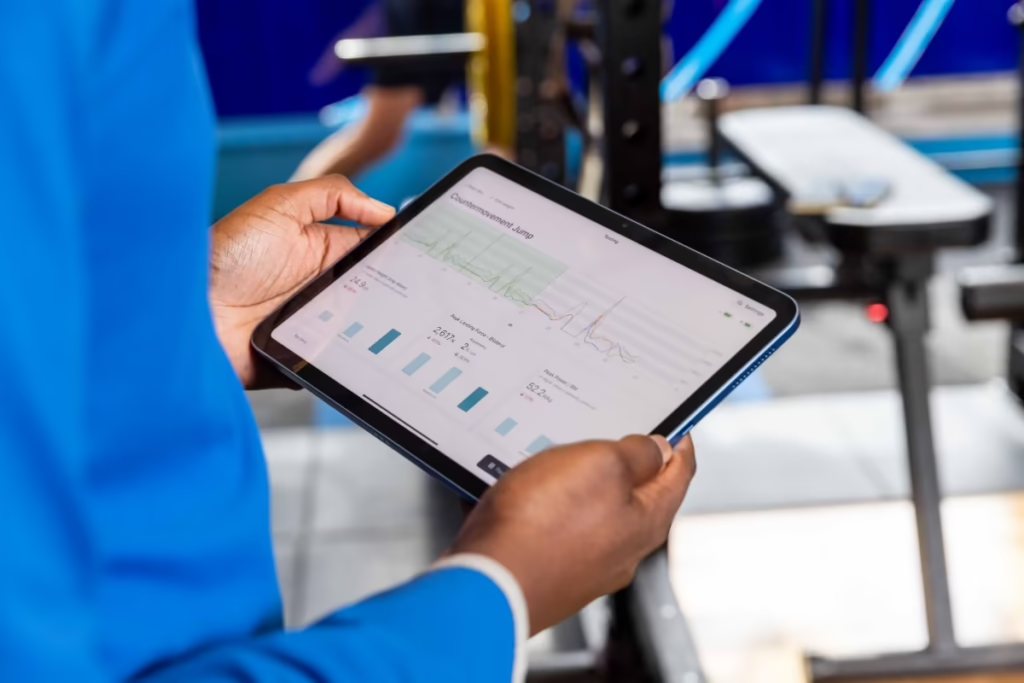
Where appropriate, our clinicians use objective assessment tools, including VALD ForceDecks and dynamometry, to measure aspects of strength and physical performance.
Testing may help identify differences between limbs, monitor progress and guide exercise prescription.
Depending on your stage of rehabilitation, assessments may include:
These measures are considered alongside your symptoms, clinical examination, confidence and rehabilitation progress rather than being used as isolated pass-or-fail tests.
Returning to sport involves much more than being able to walk, squat or jog without pain.
Your rehabilitation may progress towards running, acceleration and deceleration, jumping and landing, changes of direction and the unpredictable movements associated with sport.
For those returning to football, rugby, hockey, basketball, skiing or other demanding activities, we aim to help you develop the strength, power, movement capacity and confidence required for your sport.
Our focus is on helping you return prepared, not simply returning as quickly as possible.
Every ACL injury is different. The stages below provide an overview of how rehabilitation may progress, with your individual programme guided by your clinical findings and, where relevant, your surgeon’s instructions.
Focus: Managing symptoms, restoring knee movement, improving walking and beginning appropriate muscle activation.
We work towards reducing swelling, recovering knee extension, rebuilding quadriceps activation and restoring everyday function.
Focus: Developing lower-limb strength, movement control and confidence with progressively demanding exercises.
Rehabilitation increasingly focuses on the quadriceps, hamstrings, hips and functional single-leg tasks.
Focus: Preparing your knee for higher-impact activity.
When appropriate criteria are met, rehabilitation may introduce running, jumping, landing, plyometrics and more challenging strength exercises.
Focus: Developing the physical capacity required for your chosen sport.
Training may include acceleration, deceleration, directional changes, agility, reactive tasks and progressively demanding sporting activities.
Focus: Evaluating readiness and supporting a gradual transition into training, competition or unrestricted activity.
Clinical assessment, strength measurements, functional testing, movement quality and psychological readiness all contribute to return-to-sport decisions.
Progression is based on your individual recovery and assessment findings, rather than time alone.
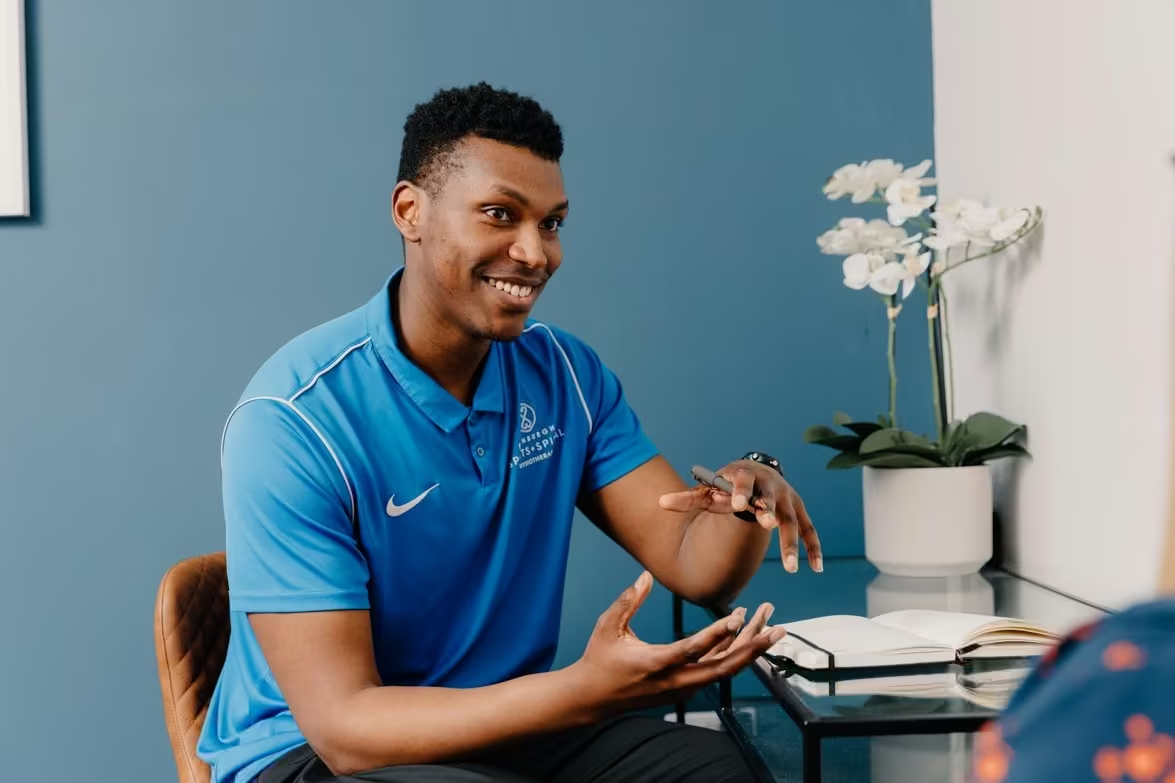
BSc (Hons) Physiotherapy | BSc (Hons) Anatomical Science | MCSP | HCPC Registered
Peter is an experienced sports physiotherapist with a specialist interest in ACL injuries, complex knee rehabilitation and return-to-sport performance.
Having developed his clinical experience across the NHS and professional sport, Peter brings a detailed understanding of the demands involved in recovering from sporting injuries.
His professional sports physiotherapy background includes experience with Sale Sharks, Hunslet RLFC and Cheshire Cricket, alongside extensive experience treating sports-related knee injuries.
Peter’s approach integrates progressive rehabilitation, structured strength and conditioning, functional assessment and objective testing to guide patients through their recovery.
He supports individuals at different stages of ACL rehabilitation, from those preparing for surgery to athletes working towards a return to competitive sport.
No. Not every ACL injury requires surgical reconstruction. Some people can successfully manage their injury through structured rehabilitation without surgery.
The decision depends on several factors, including knee stability, associated injuries, activity demands and individual goals. Physiotherapy plays an important role in both surgical and non-surgical treatment pathways.
ACL recovery varies depending on the injury, whether surgery is required, associated damage and your rehabilitation progress.
Following ACL reconstruction, returning to demanding pivoting sports frequently takes nine to twelve months or longer. However, return-to-sport decisions should not be based on time alone.
Strength, knee function, movement quality, sport-specific performance and psychological readiness should also be considered.
Yes. Pre-operative ACL rehabilitation, often called prehabilitation, can be valuable.
The aim is to improve knee movement, reduce swelling, restore muscle activation and build strength where possible before surgery.
Many people return to their chosen sports following ACL injury and rehabilitation. However, outcomes vary, and returning to sports involving rapid changes of direction, jumping and contact requires careful preparation.
A progressive rehabilitation programme can help you rebuild physical capacity and assess your readiness for the demands of your sport.
ACL return-to-sport assessment may include quadriceps and hamstring strength testing, jumping and landing tasks, movement assessment, agility testing and measures of confidence or psychological readiness.
At ESS, we use objective assessment tools where appropriate to help inform rehabilitation and return-to-sport planning.
No single test can guarantee that returning to sport will be free from reinjury risk.
Yes. If you continue to experience weakness, reduced confidence, difficulty running or problems returning to sport, a further assessment may help identify areas that require additional rehabilitation.
Recovery and strength development can continue beyond the first year, particularly where previous rehabilitation has been incomplete.
Some partial ACL injuries may be managed without surgery, depending on knee stability, associated injuries and your activity goals.
A thorough assessment and appropriate specialist or surgical input can help determine a suitable management plan.
Edinburgh Sports + Spinal Physiotherapy provides specialist ACL rehabilitation through Peter Dery, an experienced sports physiotherapist with a particular interest in ACL and complex knee injuries.
Our clinics are located in Comely Bank and Lauriston Place, Edinburgh. Please check Peter’s appointment availability when booking.
Whether you’ve recently sustained an ACL injury, undergone knee reconstruction surgery or are working towards a return to sport, we’re here to help.
At Edinburgh Sports + Spinal Physiotherapy, you’ll receive an individualised rehabilitation plan informed by clinical assessment, progressive exercise and objective testing where appropriate.
Book Your Specialist ACL Physiotherapy Assessment
Edinburgh Sports + Spinal Physiotherapy
Lauriston Place Clinic
115 Lauriston Place, Edinburgh, EH3 9JG
Telephone: 0131 235 2354
Email: info@physiotherapistsedinburgh.co.uk
We and our partners, including Google, use cookies and personal data to analyse traffic and for ads personalisation and measurement. You can accept, reject or choose which cookies to allow. Privacy Policy • Cookie Policy • Terms & Conditions • Google Privacy
We use cookies to help you navigate efficiently and perform certain functions. You can choose which categories to allow below. Cookies categorised as Necessary are always active.
We also use third-party cookies for analytics and advertising. These are only stored with your consent. You can update or withdraw consent at any time via the cookie icon at the bottom-left. This site operates under UK GDPR, the Data Protection Act 2018, and the Privacy and Electronic Communications Regulations (PECR). Cookie Policy • Privacy Policy
Necessary cookies are required for core site features including security, network management, and consent storage.
| Cookie | Duration | Description |
|---|---|---|
hmdg_cookie_consent | 180 days | Stores your cookie consent preferences. |
PHPSESSID | Session | WordPress session identifier. |
wordpress_logged_in_* | Session | WordPress login authentication. |
Functional cookies enable enhanced features such as live chat and remembering preferences.
| Cookie | Duration | Description |
|---|---|---|
wp-settings-* | 1 year | Stores user interface preferences. |
Analytics cookies help us understand visitor behaviour. Controls analytics_storage for Google Analytics 4.
| Cookie | Duration | Description |
|---|---|---|
_ga | 2 years | Google Analytics — distinguishes users. |
_ga_* | 2 years | Google Analytics 4 — session persistence. |
_gid | 24 hours | Google Analytics — distinguishes users. |
_gat | 1 minute | Google Analytics — throttles request rate. |
Performance cookies collect aggregate, anonymous data about site performance.
| Cookie | Duration | Description |
|---|---|---|
_gat_gtag_* | 1 minute | Google Tag Manager — rate throttle. |
Marketing cookies track visits to deliver relevant ads. Controls ad_storage, ad_user_data, and ad_personalization.
| Cookie | Duration | Description |
|---|---|---|
_gcl_au | 90 days | Google Ads — conversion tracking. |
_gcl_aw | 90 days | Google Ads — click attribution. |
_gac_* | 90 days | Google Ads — campaign information. |
IDE | 1 year | Google DoubleClick — ad targeting. |
Powered by HMDG • Cookie Policy